

Kaspersky Product Profile
Technically elite antivirus with a geopolitical asterisk — top-rated, but decide for yourself
Editorial review record is being refreshed.
Affiliate disclosure: Some links may earn a commission on qualifying purchases. Product profiles distinguish provider information from independent editorial reviews; we do not publish a rating or ranking without supporting evidence. Paid content is labelled and cannot buy a score, ranking, or favorable conclusion.
Product resource
Kaspersky
From $35.99/mo
The Bottom Line
Kaspersky is Technically elite antivirus with a geopolitical asterisk — top-rated, but decide for yourself. This profile summarizes the product's current positioning, available features, pricing notes, and primary sources while the independent editorial review record is being refreshed.
What is Kaspersky?
Founded in 1997 by Eugene Kaspersky in Moscow, Russia, Kaspersky Lab protects over 400 million users worldwide and serves 240,000 corporate clients. Its threat intelligence platform is widely regarded as among the most sophisticated in the industry — used even by competing security vendors for threat data. In September 2024, the U.S. Department of Commerce issued a final rule prohibiting the sale of Kaspersky products to U.S. consumers and businesses, citing national security concerns. Kaspersky denies all allegations of backdoor access or government cooperation.
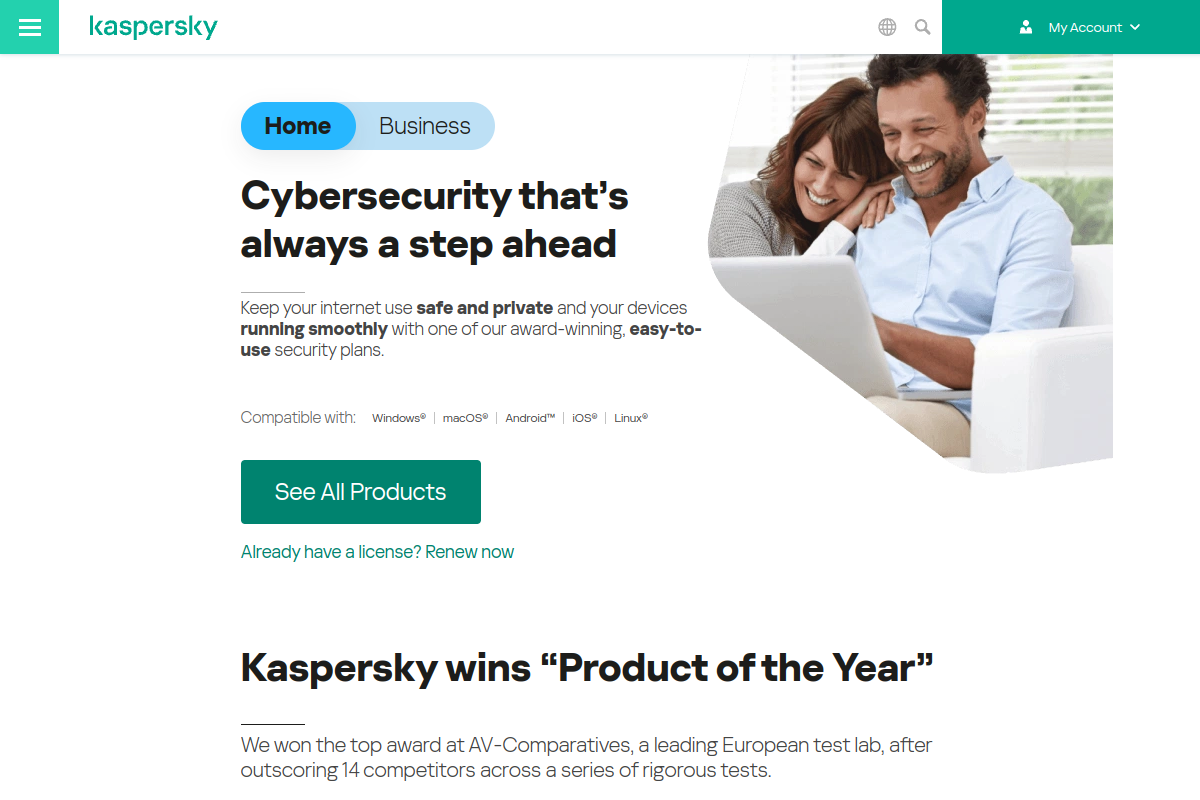
What does Kaspersky offer?
Kaspersky Standard (antivirus + performance tools, $35.99/year for 3 devices) is the entry tier. Kaspersky Plus adds VPN, password manager, and identity data leak checking. Kaspersky Premium includes Premium Support and credit monitoring. All plans include 30-day money-back guarantees. Note: U.S. consumers cannot legally purchase new Kaspersky subscriptions as of September 29, 2024.
Standard (1 yr, 3 devices)
$35.99
/year
Plus (1 yr, 5 devices)
$51.99
/year
Premium (1 yr, 5 devices)
$71.99
/year
Editorial assessment refresh
We are re-sourcing our prior score and tier before publishing a numerical rating or testing claim for this product. The product details, pricing notes, and linked sources remain available while that work is completed.
How We Assess Antivirus & Security Software
We distinguish independent lab results, vendor documentation, and editorial analysis. This site does not claim standardized hardware tests, false-positive test suites, phishing-URL runs, or checkout verification unless a dated evidence record is attached to the profile. Check the linked lab or vendor source for the test scope, date, and limitations.
No dated evidence record is attached to this profile yet; testing claims are not being made.
Ready to try Kaspersky? Plans start at $35.99/mo.
Get Kaspersky — from $35.99/mo →Frequently Asked Questions
Is Kaspersky worth it in 2026?
Kaspersky has a current product profile, but we are not publishing an independent value verdict until its editorial review record is sourced. Confirm current pricing, limits, and fit with the provider.
What is Kaspersky best for?
Kaspersky is best for: Non-U.S. users (EU, UK, Canada, Australia) who have assessed the geopolitical risk, Users who prioritize raw detection rates above all else.
Does Kaspersky have a free trial?
Kaspersky does not offer a permanently free plan. Paid plans start at $35.99/month.
What are the best Kaspersky alternatives?
Top alternatives to Kaspersky include bitdefender, norton-360, mcafee.
Review the current product details and sources above, then confirm plan limits and pricing directly with the provider before choosing a plan.
Get Kaspersky →